Publicado en
5 min
leer
/
Por
Clay Thomas
Planning your Japan eSIM for summer travel means thinking about more than just flights and hotels. You are investing your time to make sure you trip is runs as smooth as possible.
Summers in Japan are intense. Temperatures regularly hit 35°C (95°F), and the humidity, don't get me started. However, local and travelers a like are excited to enjoy the weather and fun summer filled events all across the country. Crowds fill festivals, transit stations, and popular neighborhoods all at once.
Navigation apps, real-time transit updates, weather alerts, and translation tools are all part of a typical day.
During this time, reliable mobile data is not a luxury here. It is how you actually navigate the country. A strong Japan eSIM for summer setup gets you connected, and stays connected instantly. No SIM card booth to hunt down, no heavy pocket WiFi to carry around.
Why Summer in Japan Demands Reliable Connectivity
Summer is one of Japan's most exciting seasons, but also one of the most demanding. Using a Japan eSIM for summer, travelers' phones keep working hard to stay connected during the extreme heat and massive festival crowds. The language barrier and translation apps add to that from the moment you land.
Heat, Crowds, and the Apps You Cannot Travel Without
Every essential travel app in Japan runs on data:
Google Maps keeps you oriented through Japan's side streets and layered rail system.
Google Translate lets you read menus, signs, and ticket machines in Japanese.
Tabelog helps you check local Japanese restaurant wait times before queuing in the midday heat.
JMA (Japan Meteorological Agency) delivers real-time typhoon and heat alerts, essential from August onward.
None of these work well on spotty public WiFi. Train stations may have free networks, but they often require registration and cut out once you step outside. In 35°C heat, troubleshooting a dropped WiFi connection is the last thing you want to deal with.
Summer Festivals and Real-Time Travel Adjustments
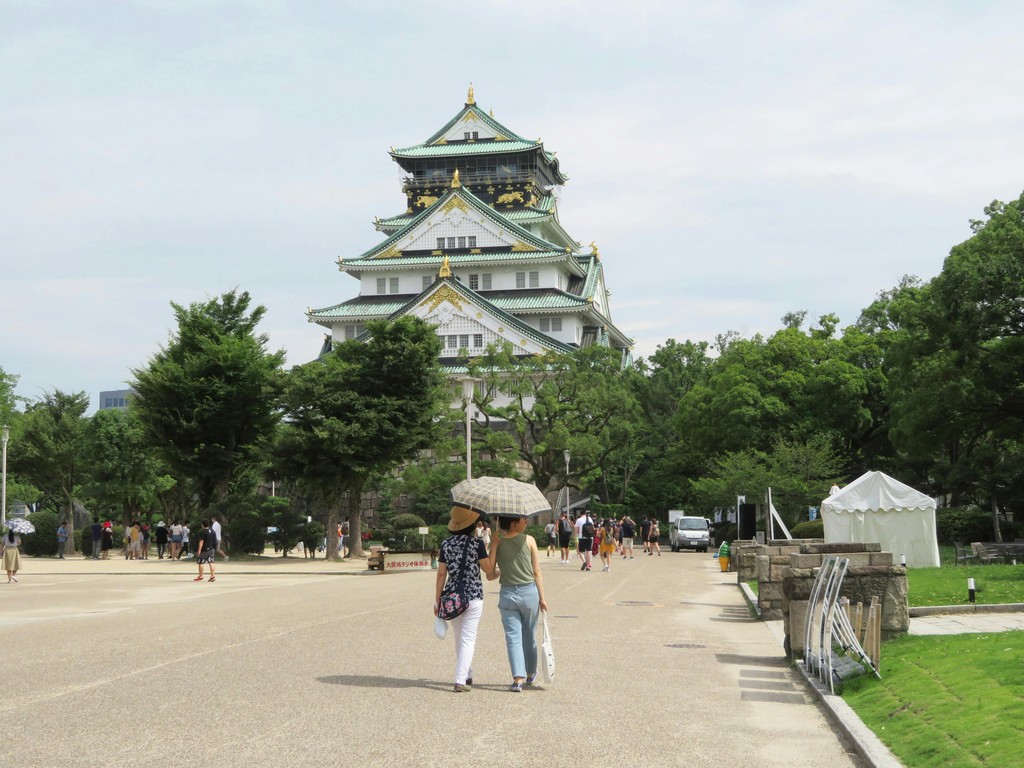
Japan's summer festival calendar is one of the biggest draws for tourists. Some of the countries largest events like Kyoto's Gion Matsuri runs throughout the month of July. Osaka's Tenjin Matsuri draws enormous crowds in late July. Obon in mid-August peaks domestic travel and congests transportation.
At huge events like these, plans change fast. A train line closes early, a crowd shift and delay your route, or a fireworks display can change normal bus schedules. Real-time transit apps and Google Maps can handle all of it, but only with a stable, and up-to-date data connection.
What Is a Japan eSIM and How Does It Work
A Japan eSIM for summer is simply a traveler's best asset. Why you may ask? An eSIM is a digital SIM card built directly into your phone. Instead of inserting a physical, plastic chip into your device, you download a mobile plan by scanning a QR code. It activates remotely, so you can be ready to connect before you board your flight. No need for cheap, or overweight data options to slow you down.
eSIM vs Physical SIM vs Pocket WiFi
Data Option | Pros | Cons |
|---|---|---|
eSIM | Instant setup, no hardware, keeps home SIM active | Requires compatible, unlocked phone |
Physical SIM | Widely available | Must find a booth on arrival, swaps out home SIM, easy to lose or damage |
Pocket WiFi | Shareable across devices | Extra device to charge, carry, and return |
An eSIM skips the hardware entirely. There is nothing to lose, nothing to return, and your home number stays active alongside it. For solo travelers, it is the most practical setup.
How to Set Up Your eSIM Before You Land
The setup process is simple:
Purchase your plan online.
Receive a QR code by email.
Scan the code to install the eSIM profile on your phone.
Activate it when you arrive in Japan.
The whole process takes a few minutes at home. You will be online before you clear immigration. No waiting or reservations needed. All you need to do is order, scan, and connect.
Choosing the Right Japan eSIM Plan for Summer Travel
Picking the right Japan eSIM for summer plan comes down to knowing your phone habits on the road. Summer travel tends to push data usage higher than most travelers expect.
How Much Data Do You Actually Need
Light users on Google Maps, messaging, and browsing can manage with 10 to 20GB for two weeks. That is roughly 1-2GB per day, covering navigation and communication without streaming.
Heavy Japan eSIM for summer users need more. If you plan to upload videos, live-stream festivals, or hotspot a friend's device or laptop, unlimited data is worth it. Summer pushes usage up. JMA weather checks, rerouting in crowded areas, and content sharing from events all add to consumption.
Fixed Data vs Unlimited: What Throttling Really Means
Many Japan eSIM for summer plans are marketed as "unlimited" but in reality include a fair use policy. Once you hit a daily cap, speeds drop. At that point, maps and translation stop working reliably, exactly when you need them.
Fixed data plans like 10GB, 20GB, or 50GB run at full speed for your entire allowance. Speed stays consistent until you use it up. If you go with unlimited, read the fine print so you know what happens at the daily limit.
Keep your eyes peeled, as you might come to find an unlimited Japan eSIM that is truly unlimited, no daily limits or fair use policy. These can be tough to find, but are exactly the kind of plan that is recommend when traveling Japan in the summer. Worry-free data with the strongest connection.
Network Coverage Beyond Tokyo and Osaka
Summer travel in Japan often goes well beyond major cities:
Hokkaido draws travelers seeking cooler temperatures.
Okinawa is packed with beach and diving visitors.
Rural Kyushu, the Japanese Alps, Nikko, and Hakone all see heavy summer traffic.
Japan eSIM for summer coverage matters more the further you travel from urban centers. Journey Japan eSIM runs on local Japan networks like NTT Docomo, known for reliable 99% coverage across all 47 prefectures. You will not lose signal hiking in the mountains or riding a ferry in Okinawa.
Setting Up Your Japan eSIM for Summer Plan Step by Step
Getting your Japan eSIM for summer connection sorted before you leave takes less than five minutes. Here is how it works.
Device Compatibility Check
Before you purchase, confirm your phone supports eSIM. Compatible devices include:
iPhone XR and newer, including SE 2nd and 3rd generation.
Android flagships from 2019 onward, including Samsung Galaxy S series, Google Pixel, Sony, and OnePlus.
Note: devices purchased in mainland China, Hong Kong, or Macau may lack eSIM support. This applies even when the model number matches. Your phone also needs to be carrier-unlocked before use. Contact your home provider to unlock or avoid any issues.
When to Buy and Activate
Purchase your Japan eSIM for summer plan a few days before departure. Install the profile at home, but leave it in standby until you land. Once arrived, connect to airport WiFi while moving through immigration at Narita or Haneda, activate it and you are online immediately.
This matters most in summer, when airport lines for physical SIM and pocket WiFi booths run long. With an eSIM already on your phone, you walk past all of that already connected, pick up your luggage, and you are on your way.
Using Dual SIM During Your Trip
Your home SIM stays active while your Japan eSIM for summer data plan runs alongside it. Your regular number keeps receiving calls and texts. Banking apps and two-factor authentication continue working without any changes.
The Japan eSIM handles data. Your home SIM handles your number. No swapping, no juggling.
Essential Apps That Run on Your Japan eSIM
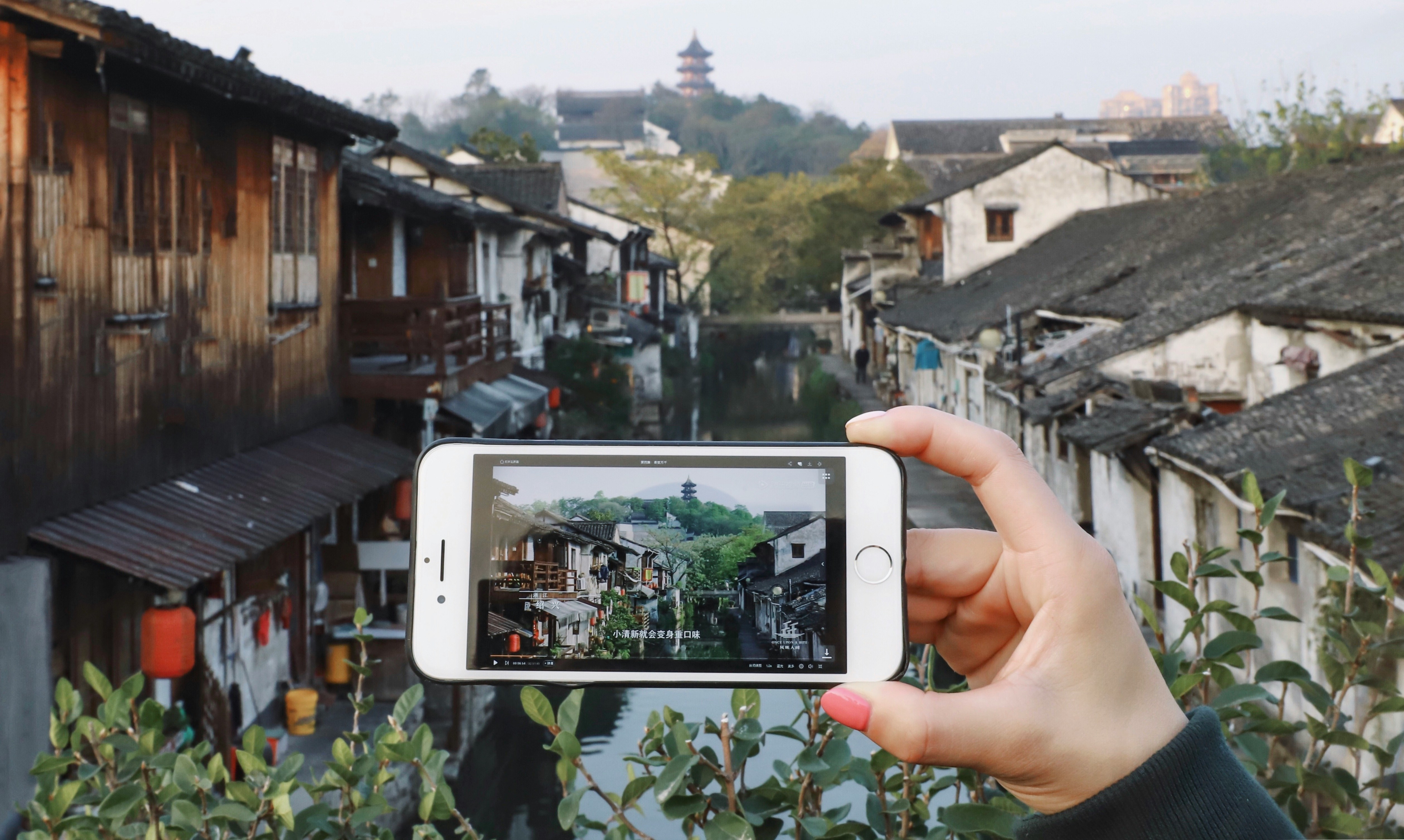
These are the apps that make Japan eSIM for summer travel smooth. All of them need a reliable data connection.
Navigation and Transit
Google Maps covers Tokyo Metro, JR lines, and bus schedules with accurate routing. Navitime handles complex local transfers that do not always appear correctly in Google Maps.
The Welcome Suica app is a commuting blessing, loading a digital transit card into Apple Wallet or Google Pay. You tap through ticket gates without buying paper tickets. Download offline maps in Google Maps before leaving WiFi to cut navigation data use significantly.
Translation and Communication
Google Translate's camera mode reads menus, signs, and ticket machines live on your screen. It needs data to work in real time.
LINE is Japan's dominant messaging app, useful for hotels, restaurants, and local services. Many smaller cafes post availability through Instagram in Japanese only. A live data connection keeps you from missing out.
Weather and Safety Alerts
Typhoon season runs from June through October, peaking in August and September. The JMA app is the official source for weather warnings, typhoon tracking, and earthquake alerts.
Alerts arrive as push notifications, which require active data. Transit systems can shut down with short notice during a typhoon. Live updates let you adjust plans before you are caught outside.
Summer Travel in Japan: Connectivity Tips by Region
Where you go in Japan shapes your coverage needs and data demands.
Tokyo and Osaka
Both cities are hot, crowded, and data-intensive. A Japan eSIM for summer plan keeps you connected as you move between stops. Public WiFi at train stations, convenience stores, and the Shinkansen exists, but drops the moment you step outside.
Data usage runs high here. Festival crowds, constant transit navigation, and photo-heavy days all add up fast.
Kyoto and Rural Japan
Kyoto's temple districts have limited free WiFi. Arashiyama, Fushimi Inari, and Nishiki Market are high-traffic spots where public WiFi is unreliable. Mobile data is your only consistent option while moving through these areas.
Further into rural Japan, the gap between public WiFi and mobile coverage widens. Without reliable network coverage, you risk going fully offline mid-trip. Explore with confidence while staying connected with an eSIM.
Hokkaido and Okinawa
Though more popular in winter, Hokkaido attracts summer visitors escaping the heat in the inner cities and on Honshu. Okinawa also draws travelers for beaches and diving to relax in the warm ocean waters. Both areas have long rural stretches with no public WiFi.
Docomo's coverage reaches these areas reliably. Network choice matters just as much as plan pricing when you are far from the city.
Conclusion
Summer in Japan demands more from your connectivity than almost any other trip. Festivals, intense heat, large crowds, navigation, weather monitoring, and real-time translation all run on data. Sorting your Japan eSIM for summer plan before departure removes one of the biggest friction points of the trip.
Journey Japan eSIM runs on Japan's best local networks with 5G speeds and 99% coverage across Japan. Plans run up to 30 days, starting from 10GB to unlimited 5G data. Instant activation, no device pickup, no return needed. You are connected from the moment you land.
Frequently Asked Questions (FAQs)
1. Do I need a Japan eSIM for summer travel?
Yes! Now while it is not strictly needed, it is the most convenient option and highly recommended. Public WiFi in Japan is inconsistent outdoors, and summer travel involves constant navigation, translation, and weather alerts. A Japan eSIM keeps you connected everywhere, not just inside train stations or cafes.
2. Can I use my eSIM in rural Japan during summer?
Yes, as long as your eSIM runs on a major Japanese carrier network. Journey Japan eSIM uses NTT Docomo and KDDI, accessing 5G speeds and 99% coverage across all 47 prefectures. That includes rural Hokkaido, Okinawa beaches, and mountain regions.
3. How much data do I need for two weeks in Japan in summer?
Budget around 1GB per day for light use, which comes to 14 to 20GB for a two-week trip. If you plan to stream, upload content, or share your connection with a laptop, consider an unlimited plan. Summer usage tends to run higher than other seasons.
4. Does Japan eSIM work during typhoons?
Yes. Your eSIM connection works during typhoon conditions as long as local network infrastructure is operational. The JMA app, which requires data, is how you track real-time typhoon warnings and transit disruptions.
5. Can I keep my regular number while using a Japan eSIM?
Yes. A Japan eSIM for summer plan works alongside your physical SIM through dual SIM functionality. Your home number stays active for calls, texts, and verification apps. The eSIM handles your data connection separately.

4.9
USD
$84
Nuevo

4.9
USD
$59