Posted on
5 min
read
/
By
Clay Thomas
If you're an eSIM for tourists kind of traveler, you understand that staying connected abroad used to be a real headache. Hunting for a carrier store at the airport, dealing with language barriers, fumbling with a tiny plastic card. Luckily, it doesn't have to be that way anymore, and more travelers are making the switch every day.
What Is an eSIM
An eSIM, short for embedded SIM, is a digital SIM card built directly into your smartphone. There's no physical chip to insert, no tray to pry open, and no store you need to visit. Everything happens digitally, from purchase, to connection, to activation.
The travel eSIM market is growing fast. According to DataM Intelligence, the global travel eSIM market was valued at $1.46 billion in 2024. It's projected to reach $3.08 billion by 2032. Travelers are catching on, and the shift is accelerating.
How It Differs from a Physical SIM Card
A physical SIM card stores your carrier information on a tiny chip. You insert it into your phone's SIM tray, locking you into one network until you swap it out. For international travel, that means removing your home SIM and buying a local one. Hopefully you don't lose either in the process.
An eSIM works differently. It stores a digital profile on a chip already embedded in your phone. You download a plan from a provider, and your device handles the rest. No swapping, no plastic, no trip to a phone shop.
How eSIM Activation Works
The process is straightforward. After purchasing a plan online, you receive a QR code or activation code by email. Scan it through your device settings, and the eSIM profile installs in minutes.
Most providers recommend installing the eSIM before you leave home. You don't need to activate it right away. Install it at home, then switch it on when you land. No airport Wi-Fi needed.
Why eSIM for Tourists Is the Smarter Connectivity Choice
The old way of getting connected abroad had too many friction points. The new way is faster, cheaper, and less stressful. Here's why eSIM for tourists makes sense from the moment you start packing.
No More Airport SIM Card Lines
Anyone who has landed at a busy international airport knows the scene. A long queue at the carrier counter, confusing plan options in a language you don't speak. You're jet-lagged and just trying to get a signal.
With an eSIM, you skip all of that. Your plan is already installed before you leave home. The moment your plane lands, your eSIM activates automatically. You walk out of the terminal connected, not scrambling.
Cost Savings Over International Roaming
International roaming fees from your home carrier can be brutal. Some carriers charge $10 or more per day just to use your existing plan abroad. Those charges stack up fast on a two-week trip.
A travel eSIM gives you local data rates instead. Travelers can save up to 80% compared to standard roaming charges. You pay only for the data and duration you actually need.
Dual SIM Functionality While Traveling
You don't have to choose between your home number and local data. Modern smartphones support dual SIM functionality, so your physical SIM and your eSIM run at the same time.
Your home number stays active for calls, SMS, and two-factor authentication codes. Your eSIM handles local data. You get the best of both without giving up either.
The Core Advantages of Going Digital
Setup Before Departure, Activate on Arrival
The ability to set everything up before you leave home is a major advantage. No rushing at the airport, no hunting for Wi-Fi. Purchase your plan, install the eSIM at your own pace, and leave knowing connectivity is sorted.
When your flight lands, enable your eSIM in device settings and turn on data roaming. Most eSIMs connect automatically to the local carrier from there.
Network Reliability and Coverage
Not all travel data plans are created equal. The quality of your connection depends heavily on which network your eSIM provider runs on.
Some providers use shared infrastructure, which slows down during peak hours at crowded tourist spots or transit hubs. Providers with private or dedicated bandwidth deliver more consistent speeds, even when hundreds of other travelers are online. It's worth checking which local carrier your eSIM connects through before committing to a plan. Some providers will op-in to lower speed data roaming, while others use faster, higher quality, local data option for better coverage and speeds.
Security and Environmental Benefits
eSIMs offer a practical security advantage that's easy to overlook. The chip is embedded in your device and cannot be physically removed. If your phone is lost or stolen, the SIM cannot be popped out and used in another device.
There's also an environmental upside. Single-use plastic SIM cards contribute to electronic waste. Going digital means one less piece of plastic on every trip.
Device Compatibility and What to Check Before Buying
Phones and Devices That Support eSIM
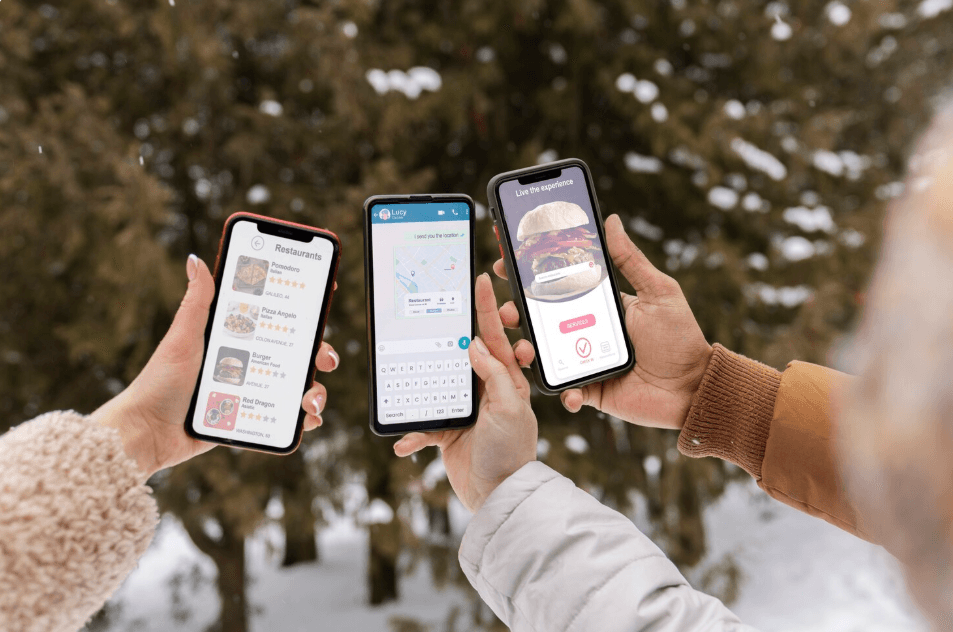
Most modern flagship smartphones are eSIM compatible. Common compatible models include:
iPhone XS and newer
Samsung Galaxy S and Z series
Google Pixel 3a and newer
Many mid-range Android devices also support eSIM, but verify with the manufacturer's spec sheet before assuming. To check your device, go to Settings, then About or General. Look for an option to add a cellular plan digitally. If it's there, you're good to go. Any payment plan, you might need to contact your carrier before you device will allow for eSIM.
Unlocked Devices and Carrier Restrictions
Even if your phone supports eSIM, a carrier lock could limit your options abroad. A locked device ties to your home network and may block activation of a foreign eSIM profile.
To check, contact your home carrier directly or look in your account settings online. In many countries, carriers are required to unlock devices once your contract is complete or upon request. Get this confirmed before you travel.
eSIM for Tourists Traveling to Japan
Japan is one of the most connected countries in the world, and having reliable data there is not optional. From the moment you land, eSIM for tourists visiting Japan is a genuinely worthwhile investment.
Why Reliable Data Is Non-Negotiable in Japan
Japan's transit systems are extraordinary, but also complex. Without navigation apps, even experienced travelers get turned around in major stations. These tools are daily essentials on any Japan trip:
Google Maps for navigation and transit routes
Japan Travel by Navitime for JR Pass route planning
Google Translate for signs, menus, and conversations
Cashless payment is increasingly the norm at convenience stores, restaurants, and attractions. Many of those systems need a live connection to function. Going offline in Japan isn't just inconvenient. It's genuinely disruptive to your trip.
Choosing the Right Data Plan for Your Trip
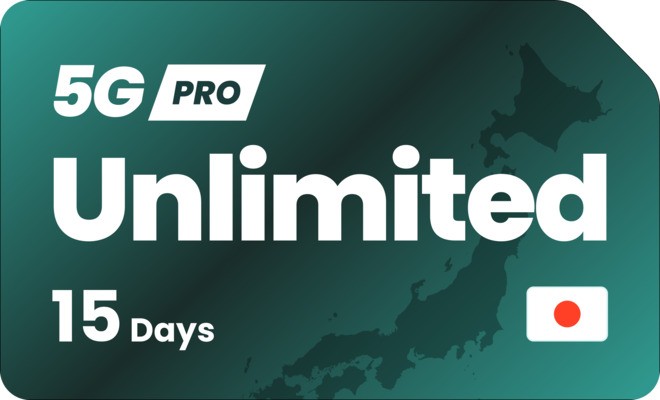
Journey Japan eSIM offers 30-day plans built specifically for travelers visiting Japan. Options include 10GB, 20GB, 50GB, and unlimited data. There's also an Unlimited Pro 5G plan for heavy users or those working remotely.
All plans run on Japan local networks such as NTT Docomo and KDDI, Japan's top-tier carrier networks, with private dedicated bandwidth. That means consistent speeds and coverage whether you're in Shinjuku or a rural area in Kyushu. No throttling from shared network congestion.
Here's a simple data guide to help you choose:
10GB-20GB for light use: maps, messaging, occasional browsing
20GB-50GB for regular use: social media, video calls, navigation
Unlimited for streaming, hotspot sharing, or remote work; travel without data worries
Activating and Managing Your eSIM After Landing
The process takes less than ten minutes. Install your Journey Japan eSIM at home using the activation code sent to your email. Do not activate it until you land.
Once you arrive at Narita, Haneda, Kansai, or any other entry point, follow these steps:
Turn on your eSIM in device settings
Enable data roaming to switch to your data plan
Your eSIM connects automatically to the Docomo or KDDI network
Run a quick connection test before leaving the terminal
Most travel eSIMs deliver 20 to 50 Mbps download speeds. That's plenty for maps, video calls, and everything in between. However, with the right eSIM, you can experience even faster speeds and higher connection coverage while traveling.
Conclusion
The case for eSIM is straightforward. No lines, no plastic, no swapping, no roaming shock. The shift from physical SIM cards to digital plans is well underway. For international travelers, there has never been a better time to make the move.
If Japan is on your itinerary, Journey Japan eSIM delivers reliable connectivity. From the moment you clear customs to your last day exploring, it's a connection you can depend on. For anyone ready to travel smarter, eSIM for tourists is where modern connectivity starts.
Frequently Asked Questions (FAQs)
1. Can I use an eSIM while keeping my regular phone number active?
Yes. Most modern smartphones support dual SIM. Your physical SIM stays active for calls and texts while your eSIM handles local data.
2. How do I know if my phone is compatible with eSIM?
Go to Settings and look for an option to add a cellular or mobile plan. Compatible models include iPhone XS and newer, Samsung Galaxy S and Z series, and Google Pixel 3a and later. You should also a check company's eSIM compatible device list to ensure minimal confusion.
3. When should I install my eSIM?
Install it at home before your trip, but wait to activate it until you land. This ensures you're ready to connect the moment you arrive, without relying on airport Wi-Fi.
4. Are eSIM data plans cheaper than international roaming?
Yes. Travel eSIM plans use local data rather than roaming surcharges. This can save travelers up to 80% on mobile data costs abroad.
5. Is Journey Japan eSIM only for first-time visitors to Japan?
Not at all. Journey Japan eSIM works for any traveler visiting Japan. Plans are 30 days with 99% nationwide coverage and private bandwidth on Japan's top networks.

4.9
USD
$84
Nouveau
4.9
USD
$59